
Early Settlers: A New Community of Worship

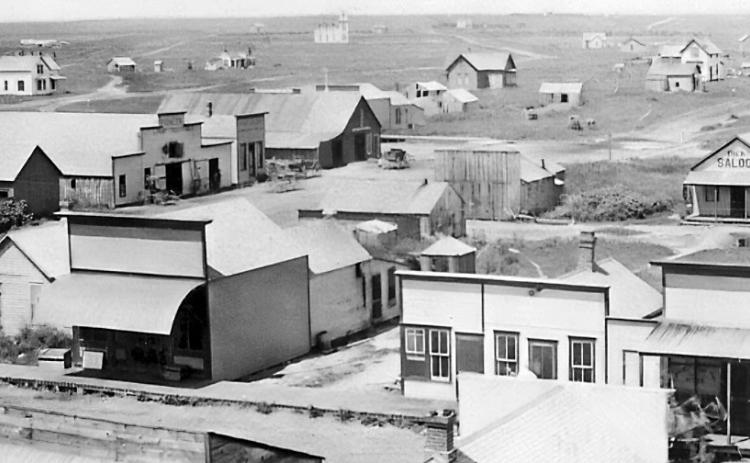
ABOVE: This photo shows what the town of Gothenburg looked like in 1888, around the time Zion Evangelical Lutheran Church and cemetery north of town were established. (Photo courtesy Gothenburg Historical Society) BELOW: The tallest grave marker in Zion Lutheran Cemetery marks the final resting place of Pastor W. Albertson, who died in 1897 after serving the congregation for only two years. (Leader photo by Ellen Mortensen)

Part 3 of a Series

Editor’s Note: A lot can be learned about a town’s history by visiting local cemeteries. That’s exactly what I did, setting out on a quest to find some of the oldest grave markers in area cemeteries I could find, then looking for the stories behind them. This week’s segment takes us to the Zion Evangelical Lutheran Church Cemetery.

Gothenburg was a growing boomtown in the late 1800s. As more families immigrated here - primarily driven by the Homestead Act - the need for amenities to accommodate those families grew as well. That included houses of worship.

The population of the newly established community included a large number of German immigrants who formed a settlement north of Gothenburg. Church services were conducted in a sod schoolhouse northeast of town for nearly s…